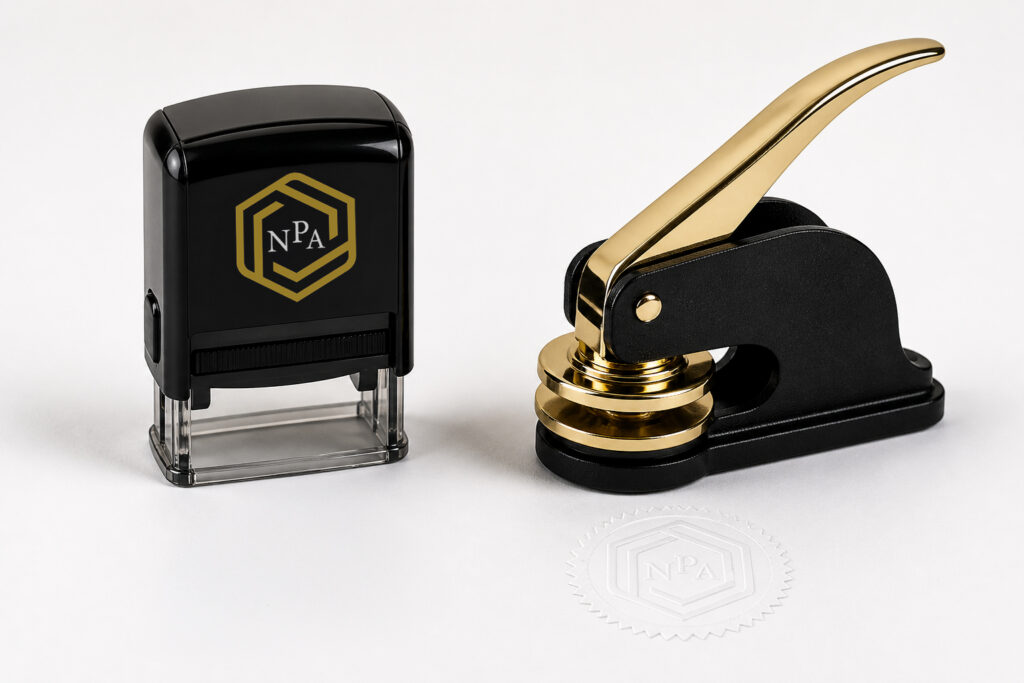
Your notary stamp and seal are more than just tools — they are the official mark of your authority as a commissioned notary public. Understanding what is required, how seals are used, and how to protect them is essential for every notary practicing in the United States. What Is a Notary Stamp and Seal? A […]
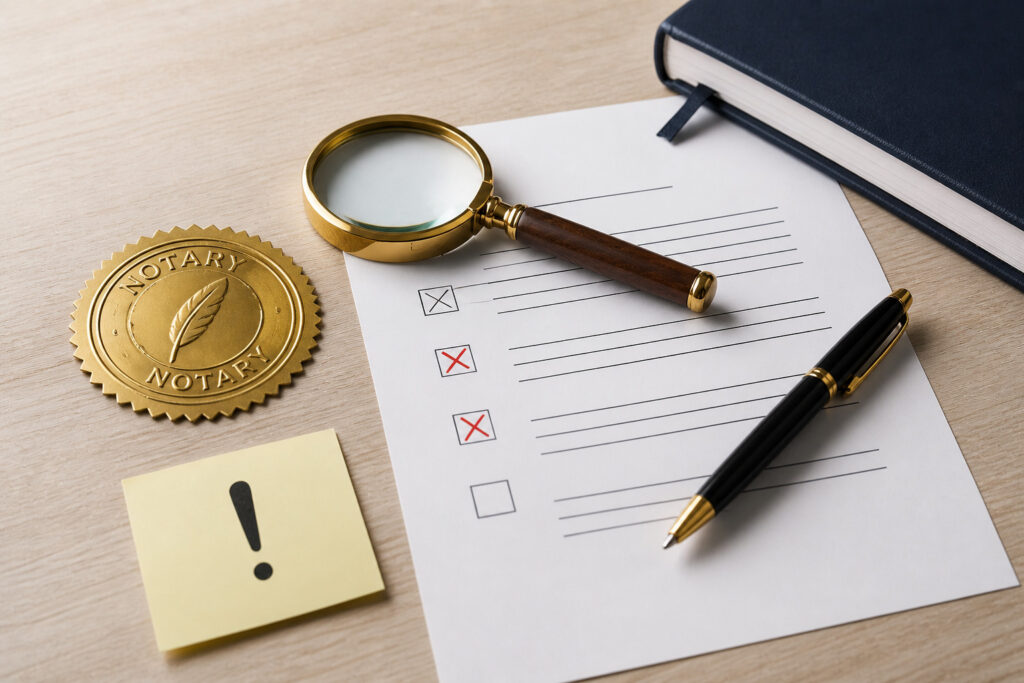
Even experienced notaries can make procedural errors that put a notarization at risk of being rejected — or worse, create legal liability. Understanding the most common notary mistakes and how to prevent them is essential for protecting yourself, your commission, and the people you serve. Why Notary Mistakes Matter More Than You Think A notarization […]

A notary public plays a quiet but essential role in countless legal and financial transactions every day — from home purchases to estate planning documents to international business contracts. If you’re just starting to research this career or credential, you’re in the right place to build a solid foundation of understanding. Become a Notary Public […]

Notaries public serve a critical role in everyday legal and financial transactions, acting as impartial witnesses to protect against fraud and ensure documents are properly executed. Whether you are signing a real estate deed, granting someone power of attorney, or swearing an affidavit, a notary’s duties are designed to give legal weight and credibility to […]

The rescission calendar is one of the most time-sensitive and procedurally exact elements in the entire loan closing process — and misunderstanding it can unravel a transaction, delay a funding, or expose a notary signing agent to serious professional consequences. For anyone involved in real estate loan signings, understanding how this calendar works at a […]

Every real estate closing involves a stack of documents — and behind every successful signing is a trained professional who ensures each page is executed correctly. A loan signing agent plays a specific and essential role in the mortgage closing process, and understanding what that role entails is the first step toward deciding if it’s […]
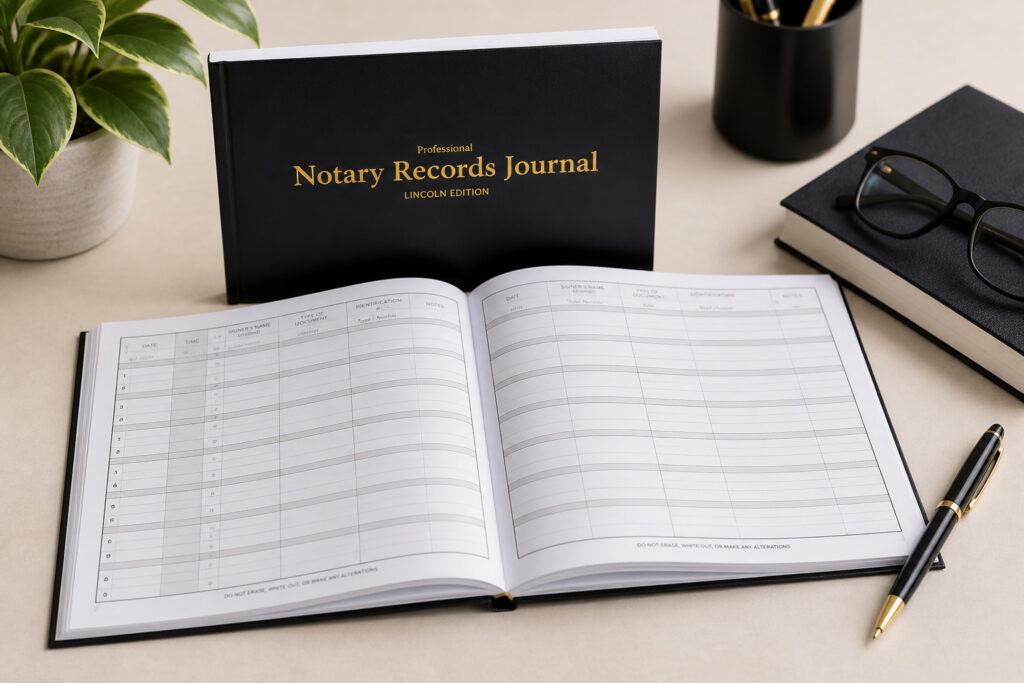
Proper recordkeeping is one of the most important — and sometimes overlooked — responsibilities of a notary public. Your notary journal serves as the official record of every notarial act you perform, and maintaining it correctly can protect both you and the people you serve. Why a Notary Journal Matters A notary journal is more […]

In Wyoming, every notary public must use an official notary stamp, called the official stamp, to authenticate their notarial acts. This requirement ensures that notarized documents can be verified as genuine and performed under a valid Wyoming notarial commission. The stamp represents the notary’s authority and provides traceable proof that a document was properly notarized. […]

Every notary public in Wisconsin is required to use an official notary seal on all notarized documents. This seal serves as visible proof of the notary’s authority, confirming that a state-commissioned officer carried out the act. Without it, a notarization may be deemed invalid or rejected by agencies requiring formal authentication. The seal requirement exists […]

Notaries in West Virginia are trusted public officials who help deter fraud and ensure the authenticity of signatures and sworn statements. A notary’s official seal or stamp is one of the most essential tools of the profession. It verifies that a notary’s act was carried out properly and that the state authorizes the notary to […]
In Washington State, the notary stamp and seal are essential legal tools that confirm the authenticity of a notarial act. They represent the official authority of the notary public and ensure the reliability of notarized documents in legal, financial, and personal matters. Every signature, acknowledgment, or certification that a notary performs must include a compliant […]

In Virginia, every notary public must use an official notary seal when performing any notarial act. The seal serves as a visible mark that confirms the authenticity of the notarial act and ties it to a commissioned notary. Each seal impression provides assurance that the notary acted within the authority granted by the Commonwealth of […]

Vermont notaries are not required by law to use a stamp, seal, or embosser. This makes Vermont one of the few states where a notarial act is valid with only the notary’s signature and printed name. The repeal of the seal requirement simplified the notarization process and reduced costs for new notaries. This approach emphasizes […]

Every commissioned notary in Utah must have an official notary seal. This seal is a visible and legal mark of authority, confirming that the notary performed a lawful act under state authorization. It assures the public that a properly commissioned officer completed the notarization. The seal serves as more than a decorative impression. It is […]

In Texas, a notary’s seal is one of the most essential tools of the profession. It provides visible proof that a notarial act was performed by an authorized public official and ensures that a document is accepted as authentic. The presence of a valid seal gives confidence to recipients, institutions, and courts that the notarization […]

In Tennessee, the notary seal is more than a simple mark on a page. It serves as a key indicator of authenticity, confirming that the notarial act was performed by a state-authorized official. The seal provides confidence to signers, government agencies, and businesses that the document has been properly witnessed and verified. For both newly […]
Notaries in South Carolina are entrusted with the critical responsibility of safeguarding the authenticity of documents. Their official seal or stamp serves as a visible guarantee that a notarial act has been executed correctly in a state authority. Understanding the detailed requirements surrounding the notary seal helps ensure compliance, professionalism, and public trust across all […]
Rhode Island’s notary public laws differ from those in most other states because they do not require the use of an official notary seal or stamp. This flexibility means that notaries can legally perform notarizations without a notary public. However, state officials strongly recommend that notaries use a seal as a mark of professionalism and […]
Pennsylvania requires commissioned notaries to use an official seal to authenticate notarial acts. The seal is the visible mark that confirms a lawful notarization was completed and that the notary acted under an active commission. It is essential to the integrity of the notarial process and helps ensure courts, agencies, and private organizations accept documents. […]

Oregon notaries perform a vital public service by ensuring that documents are genuine and properly executed. Each notarization depends on the official stamp, the symbol that verifies both the notary’s identity and authority. Understanding the state’s detailed requirements for notary stamps is crucial for maintaining compliance and preserving the integrity of official acts. The Oregon […]

Recordkeeping is one of the most important responsibilities a notary public holds, especially in a state like Florida, where requirements differ depending on the type of notarization being performed. Florida is unique in that it does not require traditional notaries to maintain a paper journal, but it does require a highly detailed electronic journal for […]

Notaries in Florida play a vital role in ensuring the authenticity and trust in legal and business transactions. To protect the public and maintain fairness, the state establishes specific limits on the fees that notaries can charge for official acts. This guide explains the maximum legal fees, outlines optional service charges, and emphasizes transparent and […]

Every notarization in Oklahoma relies on the notary’s official seal to confirm the legitimacy of the act. The seal represents the authority of the state and ensures that the document has been properly witnessed and authenticated by a commissioned notary. It provides public assurance that the notarial act was conducted by a qualified and impartial […]

Ethics are more than guidelines for notaries—they are the backbone of your commission. At the heart of those ethics is impartiality. Without it, your role as a trusted public official breaks down. This article explores what conflicts of interest look like for notaries, how to identify them, and what steps you can take to stay […]

Notarizations go beyond just acknowledgments and jurats. Notaries perform various notarial acts, each with a specific purpose and legal significance. Whether verifying identity, administering an oath, or certifying a document’s authenticity, choosing the right notarization is crucial. This guide explains the most common types of notarizations when to use each one, and how to ensure […]

Notaries are essential in verifying identities and preventing fraud, but they are not attorneys. One of the most common mistakes notaries make is unintentionally crossing the line into the unauthorized practice of law (UPL) when answering client questions. Understanding what you can and cannot say as a notary is crucial to avoiding legal violations and […]

As a notary public, you may encounter signers who do not speak English fluently or at all. These situations require special attention to state laws, communication barriers, and ethical considerations. While notaries must ensure that signers understand the document they are signing, they cannot act as interpreters or offer legal advice. This guide explains what […]

Estate planning involves preparing critical legal documents that dictate how an individual’s assets, medical care, and financial affairs will be managed during their lifetime and after their passing. Notaries ensure these documents are correctly executed, reducing the risk of fraud and legal disputes. Because estate planning documents often involve sensitive family matters and high-value assets, […]

Notary certificates are essential to any notarization, proving that the notarial act was performed correctly and legally. However, the wording on these certificates can vary by state, and choosing the correct form is crucial for ensuring document validity. This guide will explain the differences between acknowledgments and jurats, how to choose the correct certificate for […]

Notaries frequently encounter documents originating from other states. While notarizing an out-of-state document is generally allowed, the notary must follow their own state’s notarial laws while ensuring the document remains legally valid in the state where it will be used. This guide will help you navigate out-of-state documents, verify notarial wording, and determine when to […]

Notarizations often require additional witnesses, but the rules vary depending on the state and the type of document being notarized. Understanding witness requirements is essential to ensure compliance and prevent delays, whether you’re notarizing real estate transactions, wills, or power of attorney documents. This guide will explain when a witness is needed, who qualifies, and […]

As a notary public, your primary responsibility is facilitating legal document signings while ensuring everything complies with state laws and ethical guidelines. However, there may be instances when you need to decline a notarial act. Knowing how to decline a notarization properly is just as important as knowing how to perform one. If you find […]

Losing your notary seal or journal can feel overwhelming, but acting quickly to protect your professional standing and prevent potential misuse is crucial. Whether your tools were lost or stolen, reporting the issue immediately and following the proper steps will help minimize risks. As a notary, you are responsible for maintaining the security of your […]

Notarizing a document is crucial in ensuring the authenticity of signatures and preventing fraud in legal and financial matters. As a notary public, you verify the signer’s identity, witness the signature, and ensure all necessary details are in order. Whether you’re a new notary or have years of experience, properly notarizing a document requires careful […]

As a notary public, one of the fundamental tasks you’ll perform is notarizing documents. However, not all notarizations are the same. Two of the most commonly requested notarizations are acknowledgments and jurats. Knowing the differences between them and when to use each is critical for ensuring compliance and providing accurate services. Let’s explore the distinctions […]

Discover the importance of notary bonding, how it protects the public, and why every notary should secure a bond before performing duties. Learn key features and legal requirements

Learn the essentials of Notary Bonds and E&O Insurance to protect against mistakes in notarial acts. Essential guide for every notary